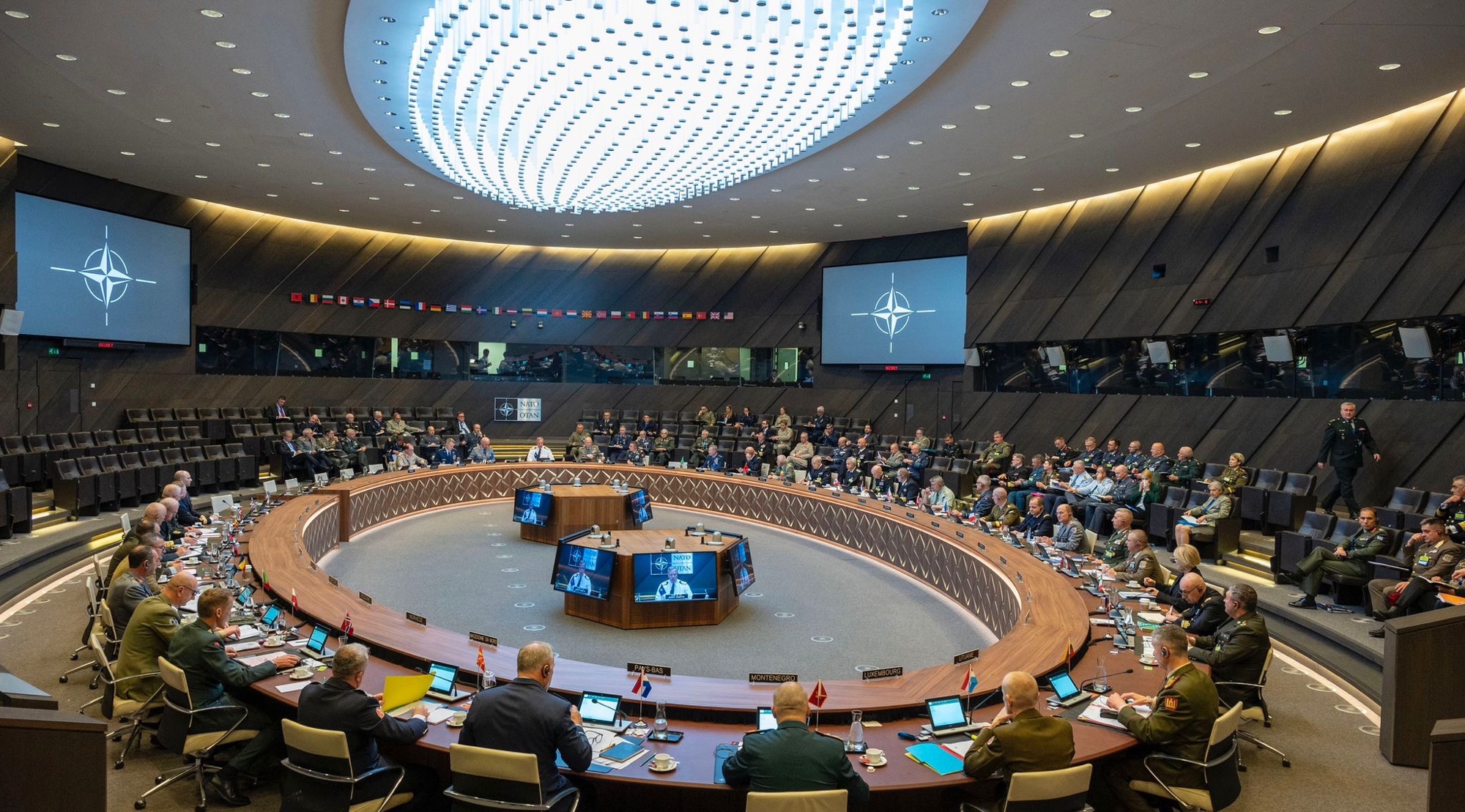
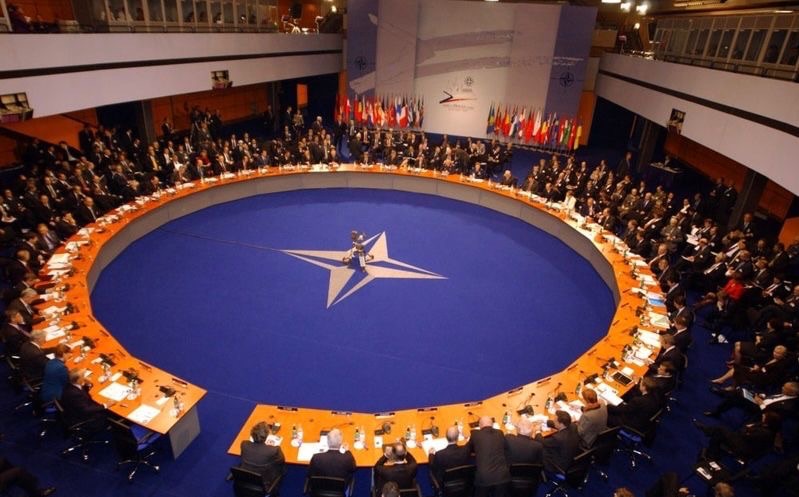
June 21, 2025 – As global tensions continue to rise, world leaders are preparing to gather in The Hague, Netherlands, on June 24–25 for a crucial NATO summit. World leaders from more than 30 countries will gather in The Hague, for a major NATO summit. While the event is taking place in Europe, its outcomes are likely to impact the rest of the world including regions far from the NATO alliance, such as West Africa.
For Ghana, understanding what’s happening at this meeting is not just about observing foreign diplomacy. It’s about recognizing how global decisions on defense, security, and international cooperation could shape Africa’s future role in the international system.
A Turning Point for the NATO Alliance
This year’s summit is particularly significant. It will be the first NATO meeting ever hosted in the Netherlands and the first one chaired by the organization’s new Secretary General, Mark Rutte, a former Dutch Prime Minister.
One of the main issues on the agenda is a proposal for NATO countries to increase their defense budgets to 5% of their GDP. The idea is to strengthen the alliance against global threats such as cyberattacks, terrorism, and rising tensions with countries like Russia and China.
However, this proposal is already dividing opinion. While some member states support the idea, others argue that such spending increases are too high and could take away resources from healthcare, education, and international aid.
Security, Scale, and Strategy
The summit is expected to bring together thousands of delegates, including heads of state, defense ministers, and international observers. Dutch authorities are putting in place strict security measures, including road closures, aerial surveillance, and military patrols across the region.
There will also be controlled spaces for peaceful protests, with many groups expected to voice concerns about increased military spending and the risk of future wars.
Why Ghana and Africa Should Pay Attention
Though Ghana is not a member of NATO, what happens at this summit has wider implications. Here’s why:
- Shifting global priorities: If NATO countries invest heavily in defense, they may reduce funding for peacekeeping, humanitarian aid, or development projects areas that directly affect many African countries.
- Changing alliances: As world powers draw harder lines in foreign policy, countries like Ghana may find themselves navigating complex relationships with both Western and non-Western partners.
- Peace and stability: NATO plays a role in global security operations. Its changing focus toward advanced military technology and cybersecurity could impact how it cooperates with African nations on regional peacekeeping or training.
A Brief, Strategic Gathering
This year’s NATO summit has been designed to be short and focused, lasting just one main session of about two and a half hours. The aim is to keep the discussions efficient and avoid internal disagreements becoming public, especially with political uncertainty growing in the United States.
Careful planning is also in place around the participation of Ukrainian President Volodymyr Zelenskyy, as the war in Ukraine remains a central issue.
Final Reflections: Global Decisions, Shared Impact
Although the NATO summit is happening far from Accra, its outcomes will influence how the world approaches security, development, and diplomacy in the coming years.
For Ghana, staying informed about these changes is vital. Whether it’s through future partnerships, peacekeeping missions, or global funding flows, the decisions made in The Hague may shape the global environment we all share.
NzemaToday TV will continue to follow this story and bring updates that connect international developments to Ghanaian perspectives.
By Nzematoday TV