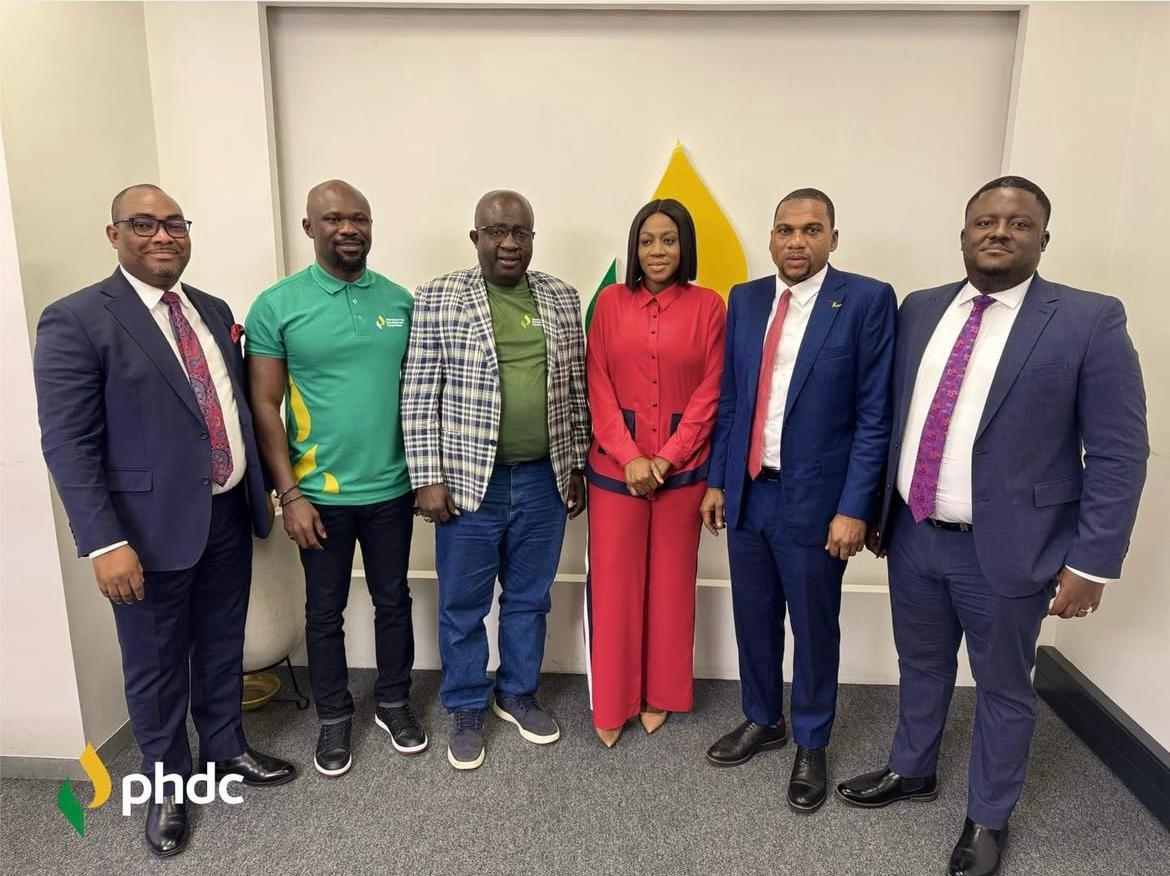
The recent announcement that Canada is committing to partner with the Petroleum Hub Development Corporation (PHDC) on Ghana’s ambitious Petroleum Hub Project marks a pivotal moment in the country’s industrial and energy ambitions. Touted as a transformative initiative that will position Ghana as a petroleum and petrochemical leader in West Africa, the project is set to attract billions in investment and create thousands of jobs.
Yet amid this optimism, there is a growing tension one that underscores a critical question: who truly benefits when development arrives?
The Promise of the Petroleum Hub
Canada’s entry into the project brings with it not just international validation, but also the promise of advanced technology, expertise in sustainable extraction, and access to global markets. According to the official statement published on GhanaWeb, the partnership is expected to fast-track progress, create training opportunities for Ghanaian youth, and stimulate large-scale job creation.
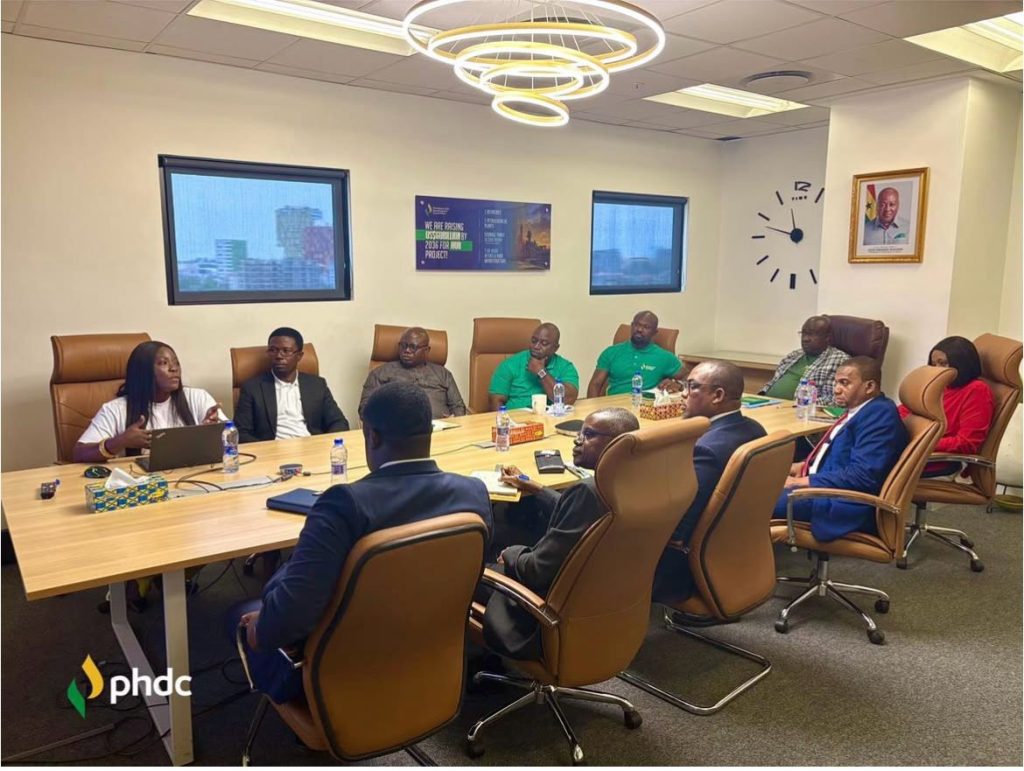
On paper, the PHDC–Canada deal seems like a clear win. But development isn’t just a matter of investment figures and job forecasts it’s also about people, land, and legacy.
Nzema Land: Resource or Heritage?
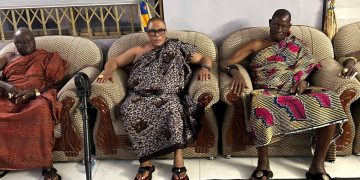
The Petroleum Hub is to be located in the Western Nzema enclave ancestral land that carries not only economic potential, but cultural and historical weight for the Nzemamanle people. These are not idle observers of development; they are stewards of the land, and increasingly, vocal stakeholders demanding a seat at the table.
In a formal statement, the Nzemamanle Traditional Council welcomed international investment including from countries like Canada but emphasized that such partnerships must first acknowledge and integrate local prerequisite conditions.
Their concerns are not fringe objections; they cut to the core of sustainable, inclusive development:
- Land must be treated as equity not simply expropriated with a one-time compensation package.
- Royalties must flow to traditional leadership structures, ensuring that wealth generated from the land benefits those to whom it historically belongs.
- A 30% employment quota for locals is demanded, along with commitments to build local institutions like universities, training centers, and hospitals.
- Most importantly, they ask that the process be governed by collaboration, not coercion a sentiment rooted in recent discussions with the Presidency and the Ministry of Lands and Natural Resources.
A Model for Inclusive Development or a Missed Opportunity?
This is not the first time Ghana has stood on the edge of resource-led transformation. From gold to oil, too often the benefits have flowed upward to state coffers and foreign investors while local communities shoulder the environmental, cultural, and social costs.
The Petroleum Hub Project offers a chance to do things differently. By institutionalizing local participation, equity based land use, and transparent benefit-sharing, Ghana could set a precedent for responsible extractive development across the continent.
But that will require more than good intentions. It will demand: - A formal multi-stakeholder framework involving PHDC, traditional leaders, government agencies, and civil society.
- Legal mechanisms to translate land ownership into long-term value for indigenous people.
- Public accountability through regular reporting on compensation, employment, and environmental management.
Conclusion: Petroleum with a Human Face
Canada’s involvement in Ghana’s Petroleum Hub Project brings welcome momentum but momentum must not override justice. The Nzemamanle are not standing in the way of progress; they are asking that progress include them. Their demands are not obstacles, but opportunities to build a development model that is fair, inclusive, and future-proof.
Because ultimately, the question is not whether Ghana should build a petroleum hub. The question is whether it can do so without erasing the voices of those who have called this land home for generations.
And in that, Ghana has a choice to build infrastructure, or to build history.
By Nzematoday Tv