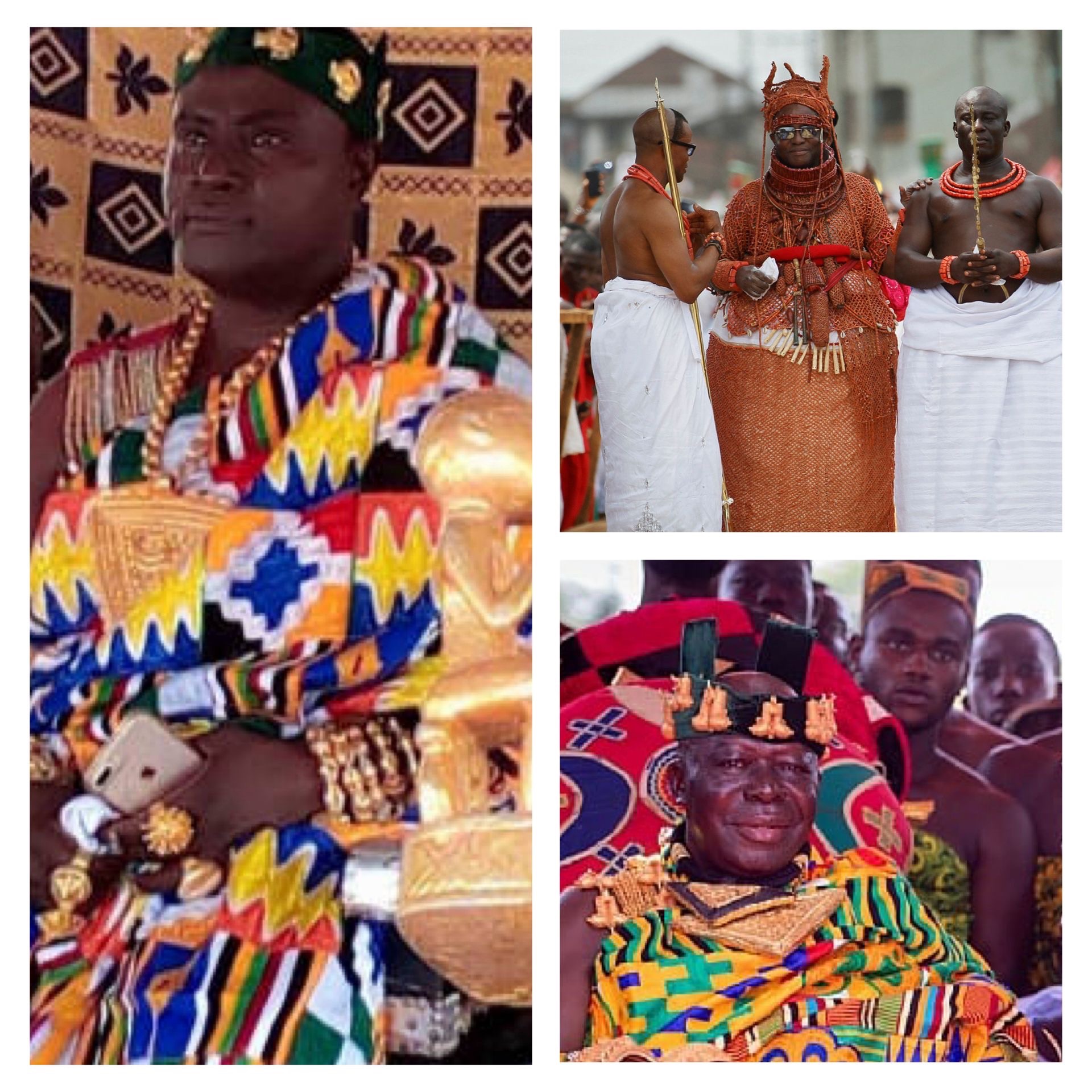
June 27, 2025 – For centuries, African thrones were the heart of governance, spirituality, and identity across the continent. From the mighty empires of Mali and Benin to the proud kingdoms of Ashanti, Zulu, and Nzema, kings and chiefs were not just rulers they were the soul of the people.
But everything changed with the arrival of European colonial powers. As the British expanded their rule across Africa in the 19th and 20th centuries, many African thrones were forcefully dismantled, restructured, or co-opted a legacy that still echoes today.
How the British Disrupted African Thrones;
British colonization was not just about land it was about control. To weaken resistance and dominate indigenous societies, the British often:
- Deposed powerful kings and chiefs who opposed them,
- Imprisoned or exiled traditional rulers, such as King Kaku Aka I of Nzema and King Prempeh I of Ashanti,
- Destroyed palaces and regalia, erasing symbols of sovereignty,
- And replaced legitimate rulers with loyalist figures under a system known as “Indirect Rule.
This system, made famous by Lord Lugard in Nigeria, allowed colonial administrators to rule through selected “native authorities.” But these were usually not the real leaders they were chosen for loyalty to the empire, not for their ancestral legitimacy.
Did the Thrones Ever Come Back?
After independence in the mid-20th century, many African countries faced a question: Should we restore our kings and chiefs or leave them in the past?
The answers varied.
Where Thrones Were Restored
In places like Ghana, Nigeria, and South Africa, traditional leadership was revived, though usually with reduced political power:
- The Asantehene in Ghana, once exiled by the British, was reinstated and remains a respected cultural authority today.
- The Oba of Benin returned to prominence after the 1897 British raid that sacked Benin City.
- In South Africa, traditional kings like the Zulu monarch have official recognition and perform ceremonial and cultural duties.
These thrones were restored through customary processes, court recognition, and sometimes constitutional reforms. However, their role is now largely symbolic or advisory, not executive.
Where Thrones Were Not Restored;
In other regions, especially those with heavily fragmented traditional systems or intense postcolonial nationalism (like parts of East Africa), thrones were not revived. Some reasons include:
- Fear of tribalism in newly independent nation-states,
- Lack of clear royal succession due to colonial disruption,
- Or political resistance to decentralizing power.
The Nzema Example: A Throne Reborn;
The Nzema people of western Ghana provide a compelling case of royal restoration.
In the 1840s, King Kaku Aka I of Nzema defied British rule by refusing to cede his authority. He was captured and died in exile at Cape Coast Castle, and his throne once powerful and independent fell silent.
But over 160 years later, the Nzema people brought that silence to an end.
In 2005, a direct descendant was installed as King Kaku Aka II, Through customary rites and recognition by the Western Regional House of Chiefs, the throne was officially reestablished, and after his passing, the title was passed to his nephew now reigning as Tumivole Kaku Aka III.
Despite some internal disputes, many Nzema sub-chiefs, queen mothers, and elders view this revival as a return of ancestral dignity not just for one family, but for the people as a whole.
Why Thrones Matter Today?
Even without political power, African monarchies today remain deeply significant:
- They are custodians of land, history, and tradition.
- They help resolve conflicts and promote community development.
- They embody resistance and resilience, especially in places where colonialism tried to erase identity.
Restoring these thrones is not just about the past it’s about reclaiming the future with pride.
Final Thoughts
The story of Africa’s thrones is not just one of loss it is also a story of survival and revival. While colonialism tried to break the backbone of indigenous rule, many African communities have chosen to stand tall again, honoring their ancestors and reinstalling their royal legacies.
As seen in Nzema and beyond, the return of traditional authority is not just symbolic. It is a cultural and spiritual homecoming one that reminds us that kings may fall, but their thrones never truly vanish.
By Nzematoday TV